Pages

Friday, April 23, 2021

Loving April

April has been sunny and dry with only 0.6" of rain.  We even  had a red flag fire alert for a couple days due to east winds with low humidity.  The upside is that we have had great conditions for yard work, hiking, and no messing around with rain gear.  This is the month that some of our favorite seasonal visitors arrive, too, including Evening Grosbeaks, Purple Finches, Tree Swallows, Violet-green Swallows, Turkey Vultures, and Steelhead Trout.


One of the raucous Steller's Jays hanging around our feeders.


An Evening Grosbeak eats while a Purple Finch waits its turn.


A chipmunk and a female or immature male Evening Grosbeak eating sunflower seeds.


Evening Grosbeaks are very social and I love their loud morning chatter.  


A lot of activity here to enjoy, with Evening Grosbeaks and Red-winged Blackbirds.


This Northern Alligator Lizard probably finds plenty to eat in our greenhouse.


We have some Trillium plants around the property.  They take years to finally be big enough to bloom, their seeds are distributed by ants, and the plants can be killed by picking off leaves.  It is illegal to pick Trillium in many areas.


Last Saturday, we participated in a beach cleanup just south of Waldport.  Gail displays her haul.


Steve Cook, in the center, spearheaded the cleanup and got SOLVE to help out with materials and publicity.  Steve sings and plays guitar several nights a week at our favorite Yachats restaurant, the Drift Inn.  It was a pretty awesome turnout of volunteers.

The following four pics are from our favorite beach to the south, Ocean Beach.  This day had a very low tide that allowed us to venture further up the coast than we had ever been before.  This is bliss for Daisy, who gets to run free and flop in the tidepools.


Zen Moment


The river by our big Sitka Spruce tree.


Thursday, April 1, 2021

Mary's Peak Surprise!

 Yesterday, we headed out early on the 2 hour drive to Mary's Peak, the highest peak in Oregon's Coastal Range.  We gave Daisy a run on the beach on the way to settle her down.  The day was sunny, cool, and calm.  We drove to the Northridge Trailhead, elevation 1,900 feet, and started up the deep forest hike towards the summit at 4,098 feet.


At around 3,500 feet we started hitting snow.  We didn't  expect much snow, if any, so we had no aids for snow travel.  


Near the summit is this huge wide open slope.  There were a couple skiers enjoying the conditions, but hardly anyone else, even though the road to here was open.  


This could be Daisy's first time in the snow.  She thought it was a hoot!


We took a longer route back to the car, hiking 12.1 miles in total.

Science News


While clearing away some pieces of old stove in the yard, I found these two salamanders.  I'm pretty sure they are ensatinas. They are the only salamander with 5 toes on the hind foot, and having a tail constricted at the base.  It can drop its tail to escape, if need be.  I have no picture showing a full set of hind toes - that would have been a clincher.

Today, I got my second COVID-19 vaccination.  Gail gets her first one tomorrow.

Sunday, March 14, 2021

Out and About

 We have had several periods of dry and sunny weather, lately, and with the longer days I feel more spring in my step.  I even mowed the yard yesterday in blazing sunshine.  Well this morning, it's back to rain again. Rainfall totals so far: 90.9 inches since July 1st, and 46.4 inches since January 1st.

;

Friday, we took advantage of the late afternoon minus tide.  On the beach was this fierce looking fish, injured, but still alive.  I first thought, "Barracuda?" That didn't seem right.  A Google search when we got home proved it to be a Longnose Lancetfish.  It is rare for them to be seen on beaches, but apparently they are fairly common offshore. They live between a depth of 6,000 feet and the surface.  They can reach a length of a little over 6 feet.  This one was about 4 feet long.


Its teeth are those of a predator.  I sent a report of this sighting to the Hatfield Marine Science Center in Newport.


 Also on Friday, I led us on an expedition to forge a trail that would lead from a logging road above our house to an area of old growth Douglas Fir trees that we discovered a few days ago off another abandoned logging road.  On aerial maps it appeared to be about a half mile line across the mountain.  However, because of a very steep gorge between the two points, it was much longer and more difficult, so we turned back after getting to the creek at the bottom.  We were slipping and sliding on this one!

Gail was not too confident in my route finding skills, and her expression says it all.  


I spotted this large scat at the top of the ridge above our house.  I'm leaning cougar, as the diameter is a little too big for bobcat. It is not twisted like coyote scat, and you can see definite Tootsie Roll segments indicative of a feline. It was also not deposited in a conspicuous spot or latrine common to bobcats and coyotes.


One of the first native flowers to bloom around here is Skunk Cabbage.


The plant's pungent odor attracts pollinators, and its tuberous roots were used as food by Native Americans.  The leaves will grow up to 3 feet long by summer.


A few weeks ago, I discovered that a woodrat was living in our pumphouse. I found its nest in a cardboard box of sprinklers on a shelf. The whole area was soaked in urine and feces, but the nest itself was beautifully constructed of moss.  It had to go!  I set my Have A Heart trap with a big glob of peanut butter, and the next day caught the little trouble maker.  It is a Bushy-tailed Woodrat, not really a rat but a neatoma, its own kind of rodent. Adults are 17 inches long from nose to tail tip.  I let it loose way down the road.


Forest Beauty


Hello!  What we have here is a Northwestern Salamander that was under a pile of vegetation I was moving from the yard.  They are a rather large salamander, reaching over 8 inches in length.  They have large glands behind their eyes that make and secrete a poisonous fluid they smear on their bodies if threatened.  They can also regenerate limbs if one is lost.


The End

Wednesday, March 3, 2021

Global Warming and Shoreline Erosion

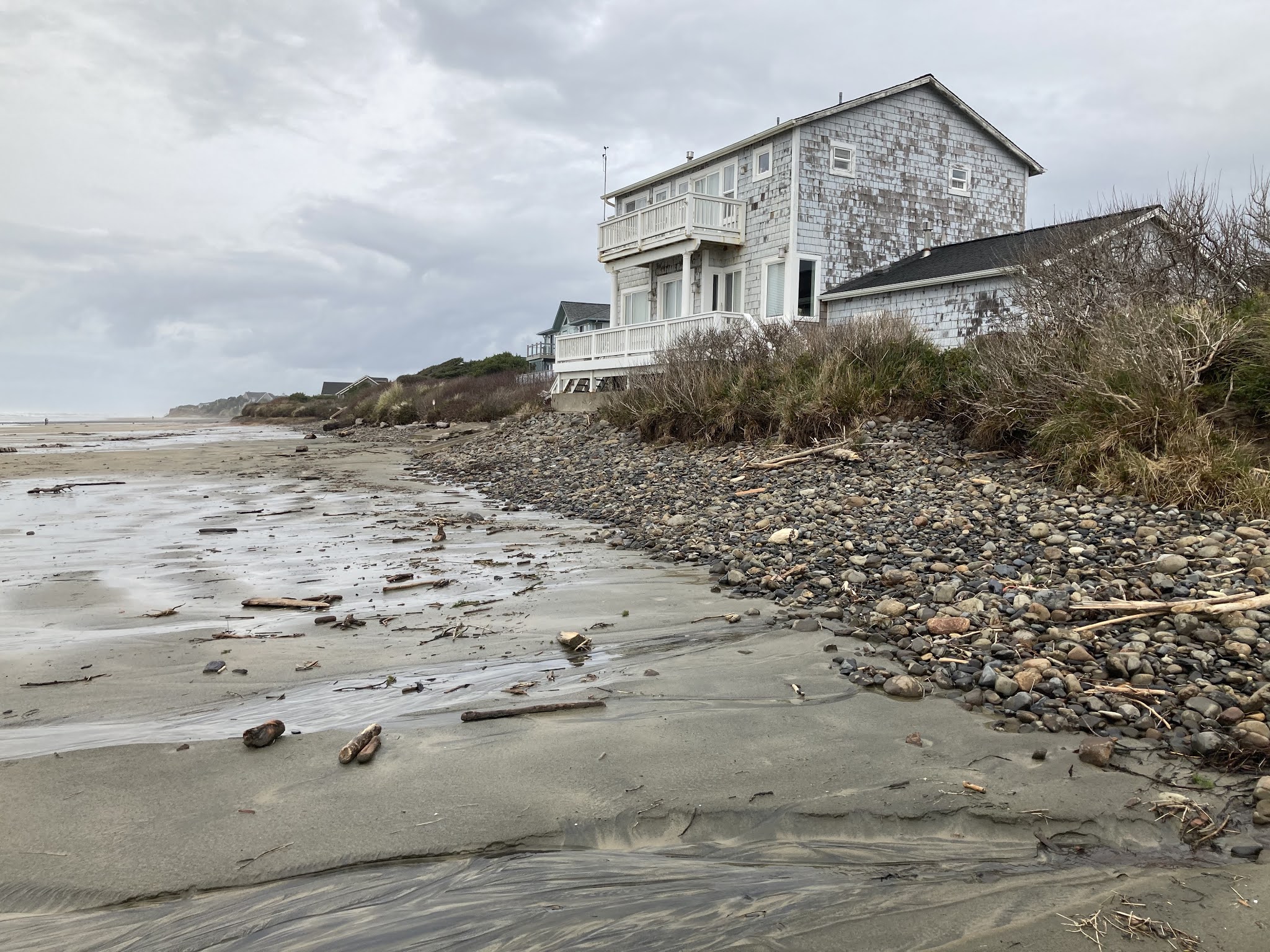
 We often let Daisy run on Tillicum Beach, a long open stretch of about 2 miles. I've been observing how frequently I see the low bluffs collapsing and how many homes are in increasing danger to be undermined by storm surf and high tides.  I think it is safe to say that global warming and the resulting rise in sea level and more severe storm activity are speeding up the process.  Oregon passed a law back in the 70's that any home built after January 1, 1977, cannot place riprap or other armor against the cliffs or on the beach.  Homes built  before that date can place riprap and fortify it.  This makes older homes more valuable in many cases than newer homes.  Below are a few pictures of homes that are losing the battle against Mother Nature that I took while on our walks.  It will be interesting to document their fate over the coming months and years.


Notice how high the drift logs get thrown up on the property.  One of those logs will be like a battering ram going through this house one day.  A few weeks ago we saw huge drift logs thrown up on Highway 101 about a mile north of here in a place you would never think possible.  The power of the ocean is titanic!


The picture below was from this morning's Newport News (Newport Oregon) and shows a major seawall collapse that happened on Saturday.  The home owner built the home in 1990 so couldn't add a wall or riprap against the cliff.  To get around it, he sunk numerous 35 foot concrete pilings into the ground.  This is legal as long as the wall is not exposed to the beach or ocean.  It appears that he and his two neighbors have no recourse.  It begs the question, "How is it legal to build in these places in the first place?"  Bluffs like these are made of soft mudstone, sandstone, and dirt.  These homes are on Lincoln Beach, a few miles north of  Newport.


Tuesday, March 2, 2021

I'm Back!

Yes, my blogging hit a dry spell, due in part to a very long wet spell here on the Oregon Coast.  Since January 1st it has rained 42.6 inches on my rain gauge.  With the pandemic, and day after day of rain, things were pretty dull.  All of a sudden, though, it feels like spring is near.  We have had 3 days in a row of sunshine, and tomorrow looks good, too.  Thursday I get my first vaccination shot and that is adding hope, also.

The following is a bit of a mish mash, but the last three days has allowed me to dust off the camera, prowl around the yard, and even do a few night shots.  


Tulip tree buds


Daffodil 


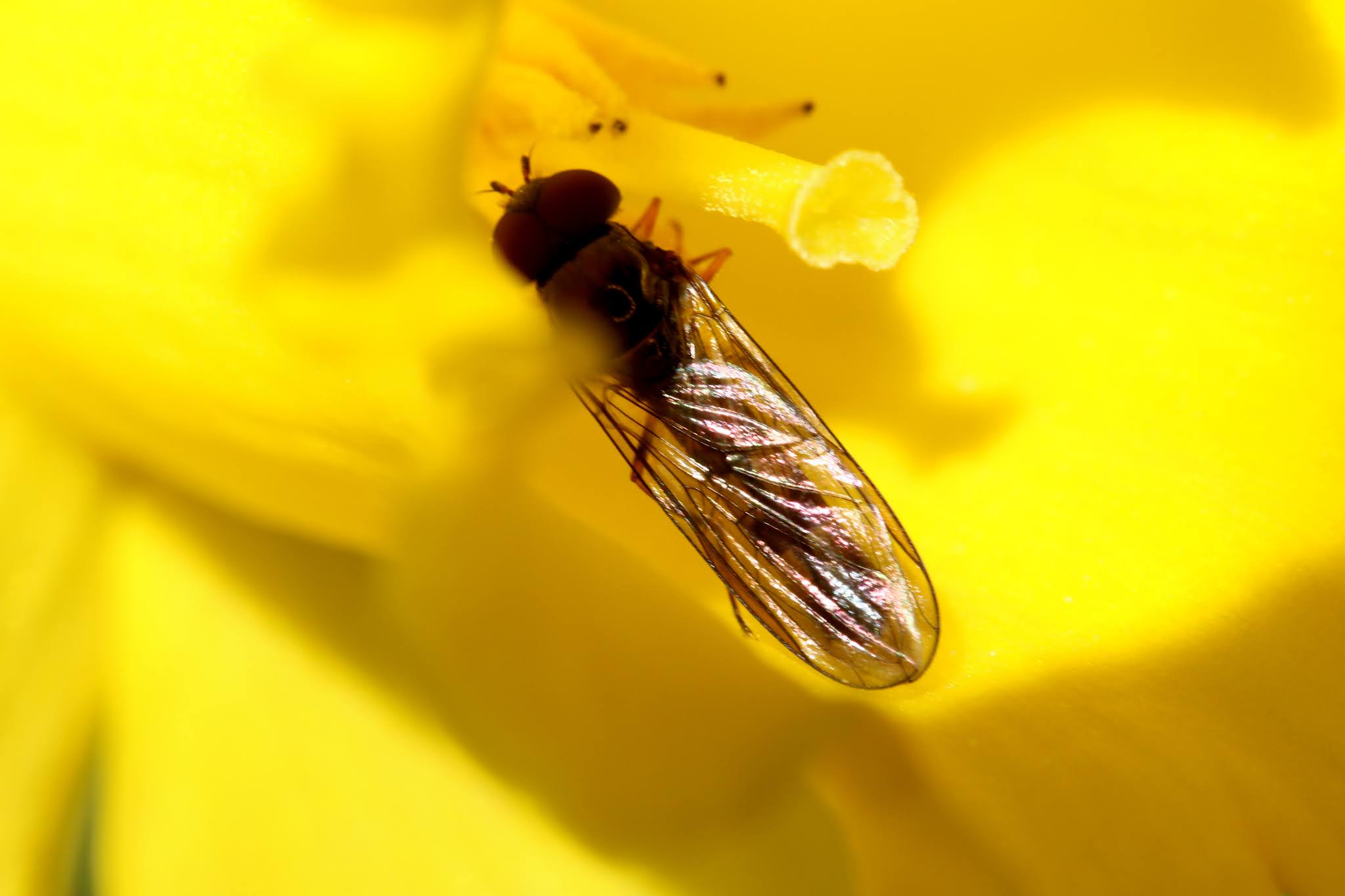
Bob's Amazing Flies Are Back!


Well, flies were about the only insects out and about.  


Daisy Goes to School


Moonrise 


Monday, January 25, 2021

Winter Photos


Snow this morning 


A little more snow expected tomorrow