I built two new raised beds and hooked up irrigation to them.
The tomatoes I planted three weeks ago are really taking off. You'll also notice milkweed I planted to attract monarch butterflies. There are now dozens of monarch caterpillars. I added an old birdhouse and a wooden platform for them to make their chrysalides on. They leave the milkweed and wander around looking for ledges or bushes to attach to..
Yesterday, I made a bee hotel out of wood scraps to provide nesting holes for smaller native wild bees. Wild bees are important pollinators.
Gail's bromeliads are blooming nicely this year.
The propeller plants are also showing off.
When we try to pick out anything by itself, we find it hitched to everything else in the universe - John Muir
Wednesday, August 10, 2016
Tenaja Trail to San Mateo Creek
Monday, we decided on a long hike, so drove north to the Cleaveland National Forest west of Murrieta. It was about an eleven mile round trip down a canyon to the San Mateo Creek. We explored along that creek for a couple miles. It was a relief to see only one other person the whole day - and no bikes!
In shady areas there were many of these bushes with red berries.
After about four miles, we reached the San Mateo Creek which was mostly dry.
A dried up dead Striped Racer looking like Gollum.
We did find a few muddy areas in what should have been large pools if not for the drought. There were many young Baja California Tree Frogs in these spots.
There were also many dead fish and crayfish.
There were minnows still left in a couple pools we saw.
Dragon fly and damsel fly.
A non-native American Bullfrog.
On the hike back, we noticed some amazing funnel spider webs. They looked like gauzy whirlpools leading into the spider's lair.
This one led into a deep knothole.
Looking down into the same web as the previous picture.
Back-lit seeds, ready to disperse.
In shady areas there were many of these bushes with red berries.
Western Fence Lizard
A dried up dead Striped Racer looking like Gollum.
We did find a few muddy areas in what should have been large pools if not for the drought. There were many young Baja California Tree Frogs in these spots.
There were also many dead fish and crayfish.
Baja California Tree Frog
Baja California Tree Frogs
Dragon fly and damsel fly.
A non-native American Bullfrog.
On the hike back, we noticed some amazing funnel spider webs. They looked like gauzy whirlpools leading into the spider's lair.
This one led into a deep knothole.
Looking down into the same web as the previous picture.
Back-lit seeds, ready to disperse.
Thursday, August 4, 2016
International Bird Rescue 45th Anniversary
Gail and I spent the day last Saturday in San Pedro, home of one of the two International Bird Rescue facilities in California. There was an open house to celebrate their 45th year anniversary. We spent most of the day there taking a tour, listening to speakers, and even bumping into a couple of our friends who work at the Northern California facility where Gail and I met about 7 years ago. I wished I had taken more and better pictures.
This was early in the day. Later on, there was a pretty big crowd.
We are checking out the schedule of events (photo from IBR website).
Thee were even three food trucks!
The outside art on the main building - Brown Pelicans, of course.
The pelican aviary, just like the one we had up north, only much cleaner appearing.
A real high light of the day was listening to Joel Sartore speak and present his photos. He is a photographer whose work is often on Sunday Morning, and he has had 35 features in National Geographic. He was very inspirational and funny. His current work is Photo Ark, a compilation of portraits of animals near extinction.
Next door to IBR is the Marine Mammal Center, which is rehabbing seals, sea lions, and elephant seals. Most were found emaciated. Others had injuries from sharks, and two were blind.
Joel Sartore got to release this Brown Pelican (picture courtesy of IBR Facebook). I worked with this individual pelican 6 years ago at which time he was banded and released in the Bay Area. He turned up recently in the L.A. area with fishing line injuries. Now he's free again!
This is the view from the "dirty bird room" into the clinic.
The pools for pelagic birds are in the background. Later in the day we took a bird photography class from Bill Steinkamp where I got a few new tips.
We're sure glad we made the drive up. It was great to see Cheryl Reynolds, Dr. Becky Duerr, and Michelle Belizzi from Suisun.
This was early in the day. Later on, there was a pretty big crowd.
We are checking out the schedule of events (photo from IBR website).
Thee were even three food trucks!
The outside art on the main building - Brown Pelicans, of course.
The pelican aviary, just like the one we had up north, only much cleaner appearing.
A real high light of the day was listening to Joel Sartore speak and present his photos. He is a photographer whose work is often on Sunday Morning, and he has had 35 features in National Geographic. He was very inspirational and funny. His current work is Photo Ark, a compilation of portraits of animals near extinction.
Next door to IBR is the Marine Mammal Center, which is rehabbing seals, sea lions, and elephant seals. Most were found emaciated. Others had injuries from sharks, and two were blind.
Joel Sartore got to release this Brown Pelican (picture courtesy of IBR Facebook). I worked with this individual pelican 6 years ago at which time he was banded and released in the Bay Area. He turned up recently in the L.A. area with fishing line injuries. Now he's free again!
This is the view from the "dirty bird room" into the clinic.
The pools for pelagic birds are in the background. Later in the day we took a bird photography class from Bill Steinkamp where I got a few new tips.
We're sure glad we made the drive up. It was great to see Cheryl Reynolds, Dr. Becky Duerr, and Michelle Belizzi from Suisun.
Trees of Balboa Park in Black and White
When Nick, Gail, and I were at Balboa Park nine days ago, the late afternoon shadows seemed to really compliment the shapes and textures of the different trees and cacti there. The park has some very old and mature specimens.
Los Angeles County Natural History Museum
Last month, we did a little day trip up to the L.A. County Natural History Museum. The museum was fine for a couple hours, but we enjoyed what was around the museum buildings even more.
This was one of the most spectacular displays in the mammal hall. However, we found the museum in need of freshening up in some areas. It is also kind of sad to be surrounded by dead animals, many of them endangered.
Outside was a different story. Three years ago, a parking lot was turned into gardens. Some areas were designed to attract pollinators and other small creatures, and other areas were for edible gardens that looked attractive and also provided food.
That is a space shuttle fuel tank in the background.
We loved this little shelter made from sticks.
Bee hotels for native bees, loose rock walls for lizards and spiders, and a gorgeous pond and waterfall that attracts bats were other features of the garden.
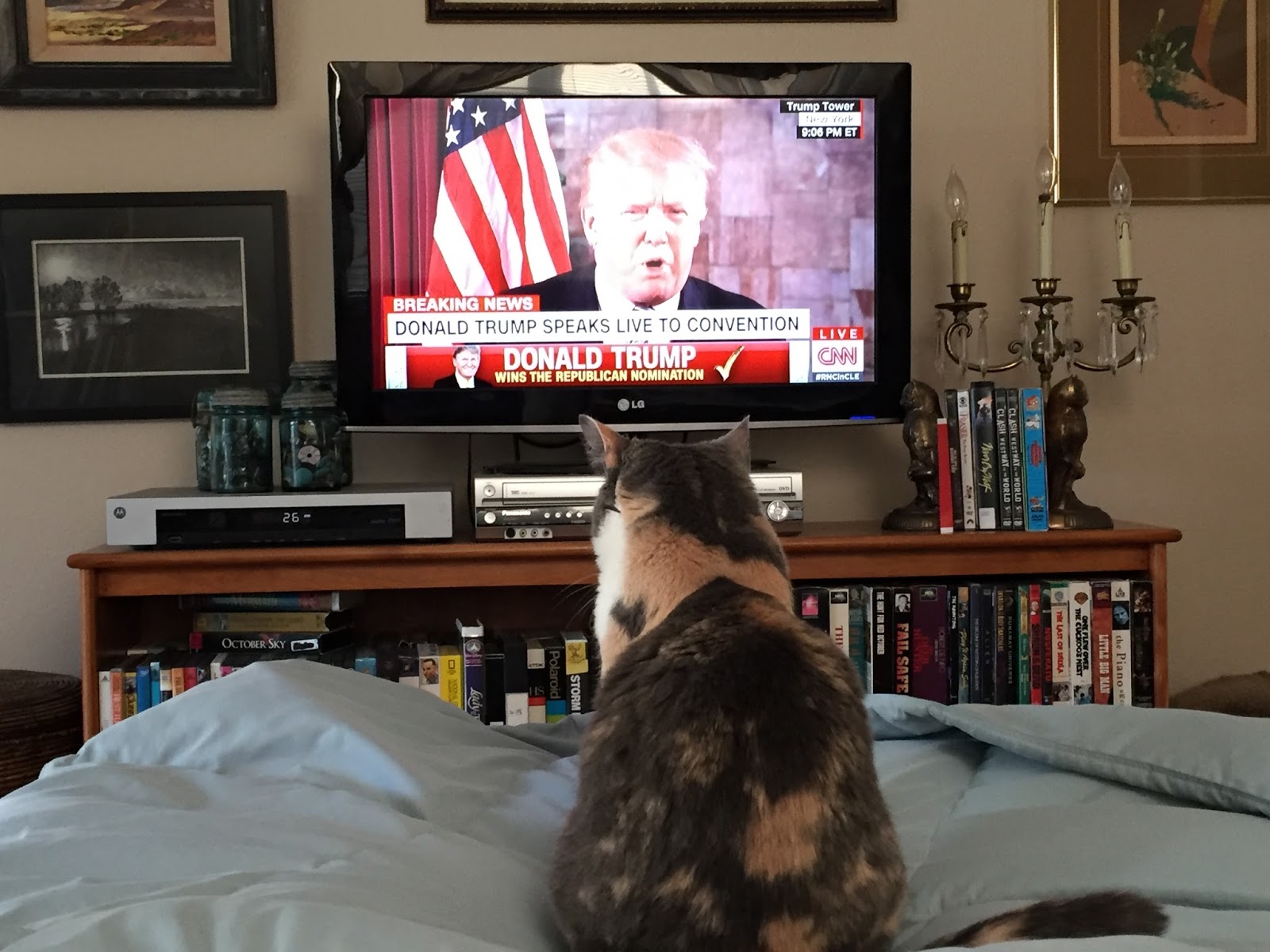
At home, Yummy is wondering about candidate positions on coyotes, cat food additives, and cat nip deregulation.
This was one of the most spectacular displays in the mammal hall. However, we found the museum in need of freshening up in some areas. It is also kind of sad to be surrounded by dead animals, many of them endangered.
Outside was a different story. Three years ago, a parking lot was turned into gardens. Some areas were designed to attract pollinators and other small creatures, and other areas were for edible gardens that looked attractive and also provided food.
That is a space shuttle fuel tank in the background.
We loved this little shelter made from sticks.
Bee hotels for native bees, loose rock walls for lizards and spiders, and a gorgeous pond and waterfall that attracts bats were other features of the garden.
At home, Yummy is wondering about candidate positions on coyotes, cat food additives, and cat nip deregulation.
Subscribe to:
Posts (Atom)